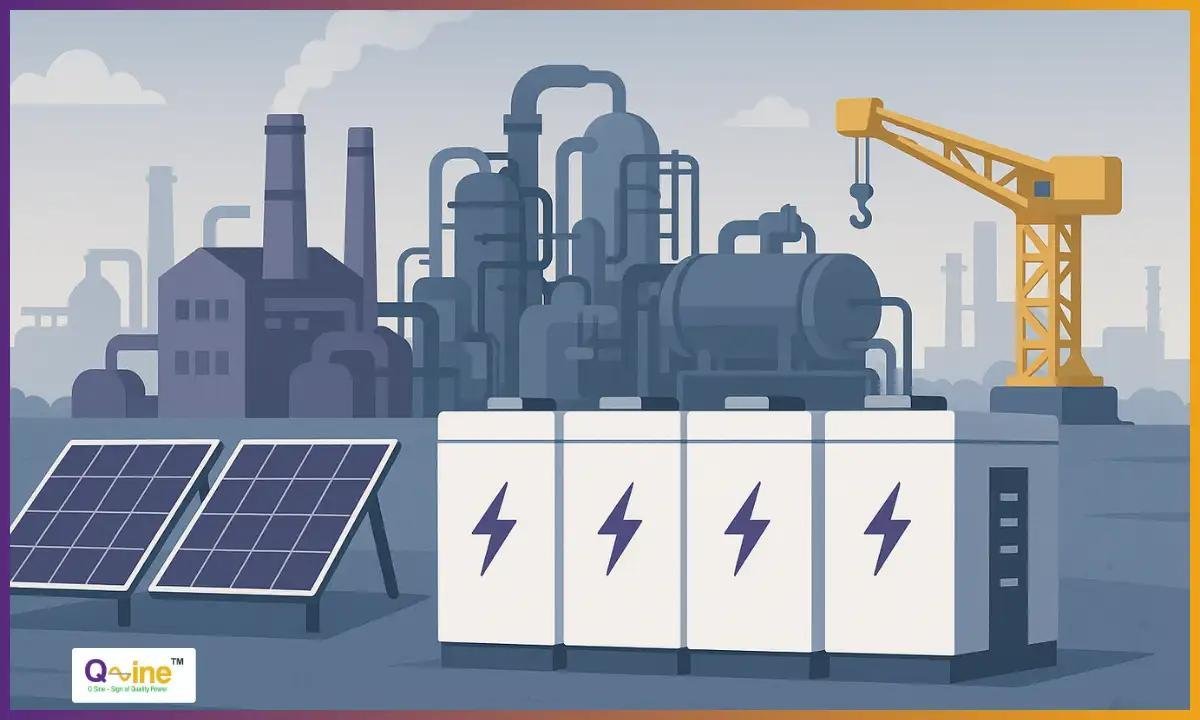
In today’s competitive industrial landscape, optimizing energy usage has become a strategic priority for businesses. Battery Energy Storage Systems (BESS) have emerged as a powerful tool for industrial operations looking to enhance energy efficiency and reduce costs. This article delves into the cost-benefit analysis of implementing BESS in industrial settings, offering insights for decision-makers.
Understanding the Costs of BESS Implementation
Initial Investment
The upfront cost of implementing BESS can be significant. This includes the purchase of batteries, installation, and integration with existing infrastructure. While the initial investment is substantial, it’s important to consider the long-term benefits and return on investment.
Maintenance and Operational Costs
BESS requires regular maintenance to ensure optimal performance and longevity. This includes monitoring battery health, replacing components as needed, and software updates for energy management systems. Operational costs also include energy losses during charging and discharging cycles.
The Benefits of BESS in Industrial Settings
Energy Cost Savings
One of the most compelling benefits of BESS is the potential for substantial energy cost savings. By storing energy during off-peak hours when electricity rates are lower and using it during peak hours when rates are higher, industrial facilities can significantly reduce their energy bills.
Peak Saving
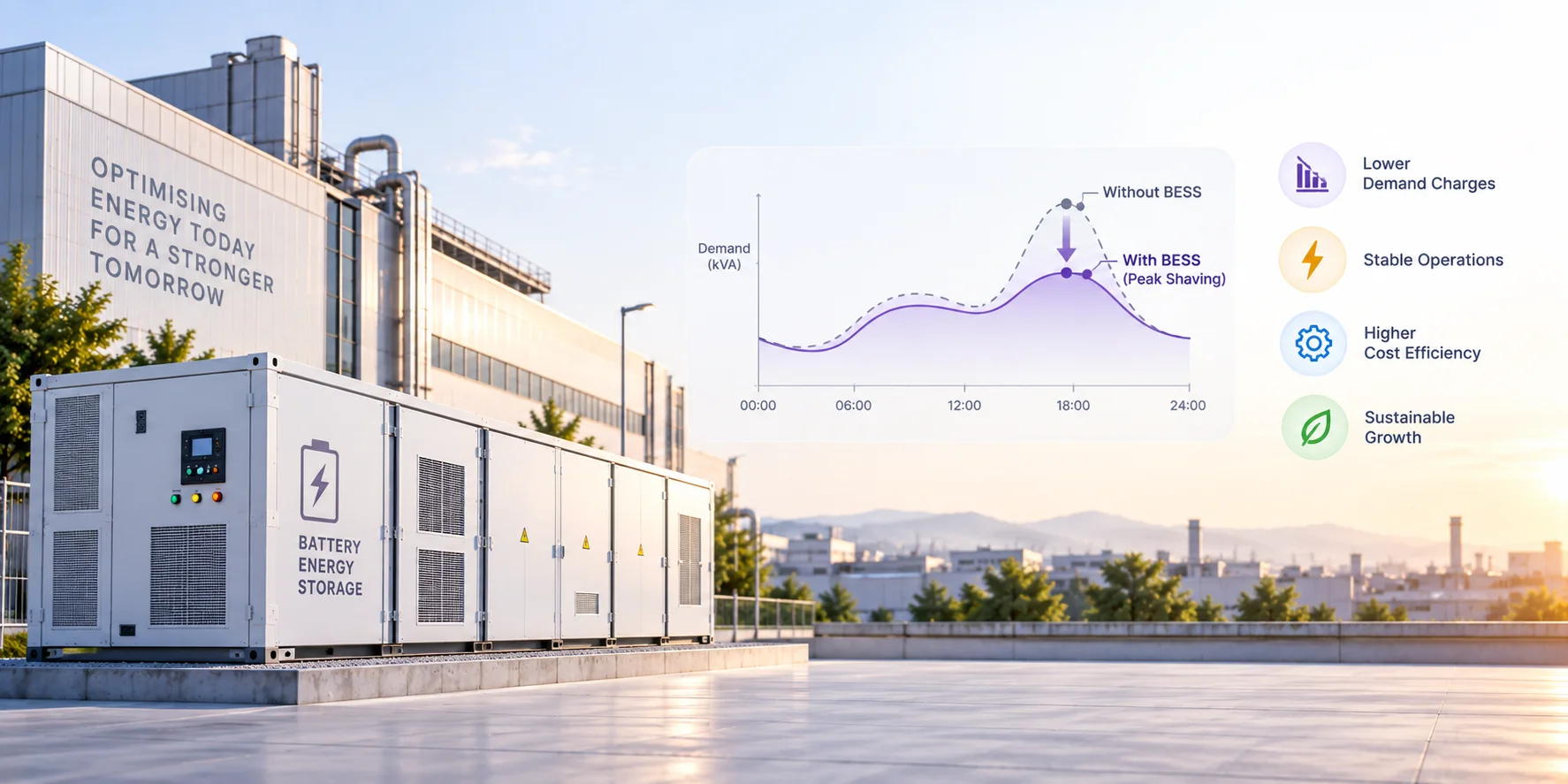
BESS allows industrial operations to reduce their peak demand, lowering demand imposed by utility companies. By discharging stored energy during periods of high demand, businesses can avoid costly demand charges and improve their overall energy cost profile.
Backup Power
BESS provides a reliable backup power solution, ensuring continuity of operations during grid outages. This is particularly valuable for industries where even brief power interruptions can result in significant financial losses.
Integration with Renewable Energy
Many industrial facilities are adopting renewable energy sources like solar and wind. BESS enhances the reliability of these intermittent energy sources by storing excess energy generated during periods of high production and releasing it when generation is low. This integration supports sustainability goals and reduces reliance on grid electricity.
Strategic Considerations for BESS Implementation
Scalability
BESS solutions can be designed to be scalable, allowing businesses to start with a smaller system and expand as their energy storage needs grow. This flexibility makes BESS an attractive option for industrial operations with evolving energy requirements.
Long-Term ROI
While the initial investment in BESS may seem high, the long-term return on investment can be substantial. By reducing energy costs, avoiding demand charges, and extending the life of equipment through stable power supply, BESS can deliver significant financial benefits over time.
Environmental Benefits
Implementing BESS supports sustainability initiatives by reducing reliance on fossil fuel-based electricity and enabling greater use of renewable energy. This aligns with corporate social responsibility goals and can enhance a company’s reputation as an environmentally conscious business.
Regulatory Incentives
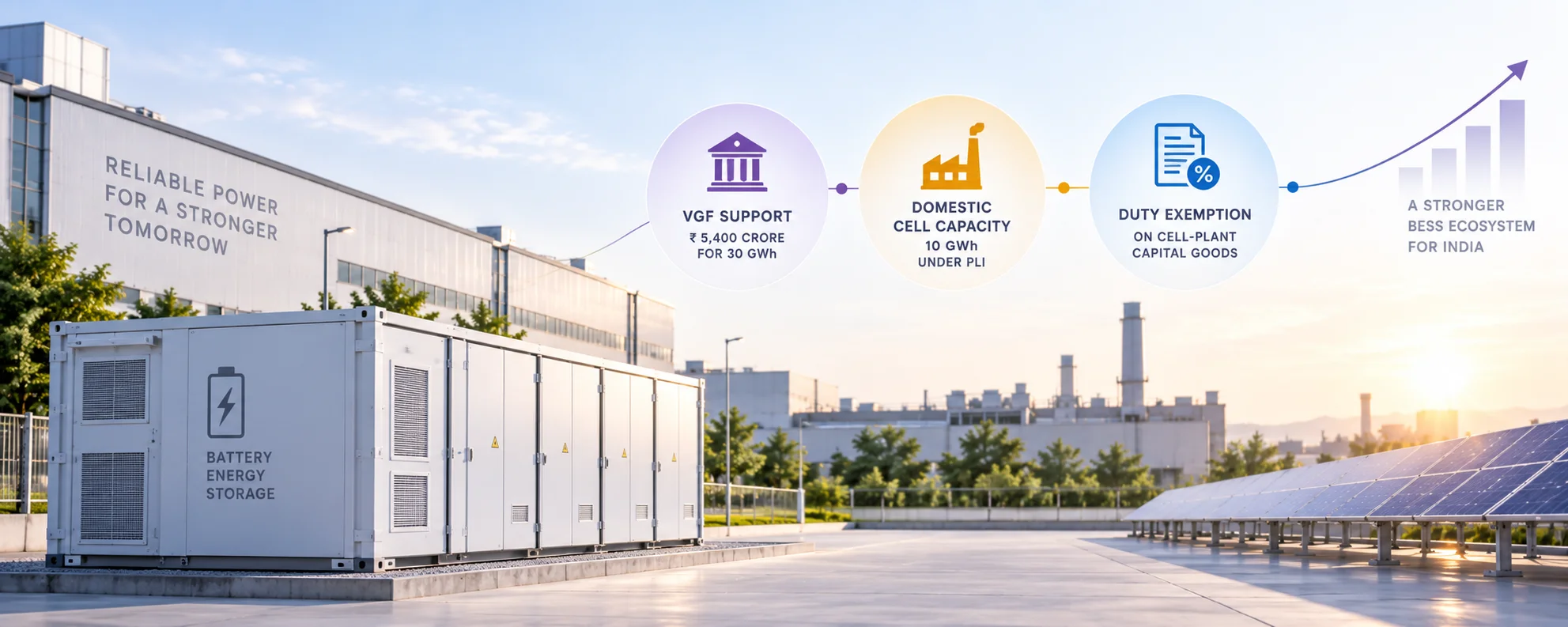
In many regions, governments offer incentives for adopting energy storage and renewable energy technologies. These may include tax credits, grants, or rebates that can help offset the initial costs of BESS implementation.
Future Trends and Considerations
As technology advances, the cost of BESS components is expected to decrease, making these systems more accessible to a wider range of industrial operations. Furthermore, the development of smart energy management systems will enhance the efficiency and effectiveness of BESS, allowing for more precise control over energy storage and usage.
Conclusion
The cost-benefit analysis of implementing Battery Energy Storage Systems (BESS) in industrial settings reveals a compelling value proposition. While the initial investment and ongoing maintenance costs require careful consideration, the benefits of reduced energy expenses, peak shaving capabilities, reliable backup power, and support for renewable energy integration offer significant long-term advantages. As industrial operations increasingly prioritize energy efficiency and sustainability, BESS presents a strategic solution that aligns with these goals while delivering measurable financial returns.
For more insights into Battery Energy Storage Systems, visit our comprehensive guide on Understanding Battery Energy Storage Systems (BESS).
Continue Reading
Get free access to this article and stay updated with Q Sine's latest insights on power quality and energy solutions. No spam, ever.
You're in!
Unlocking the full article now…
Your details are safe. We never share or sell your data.