
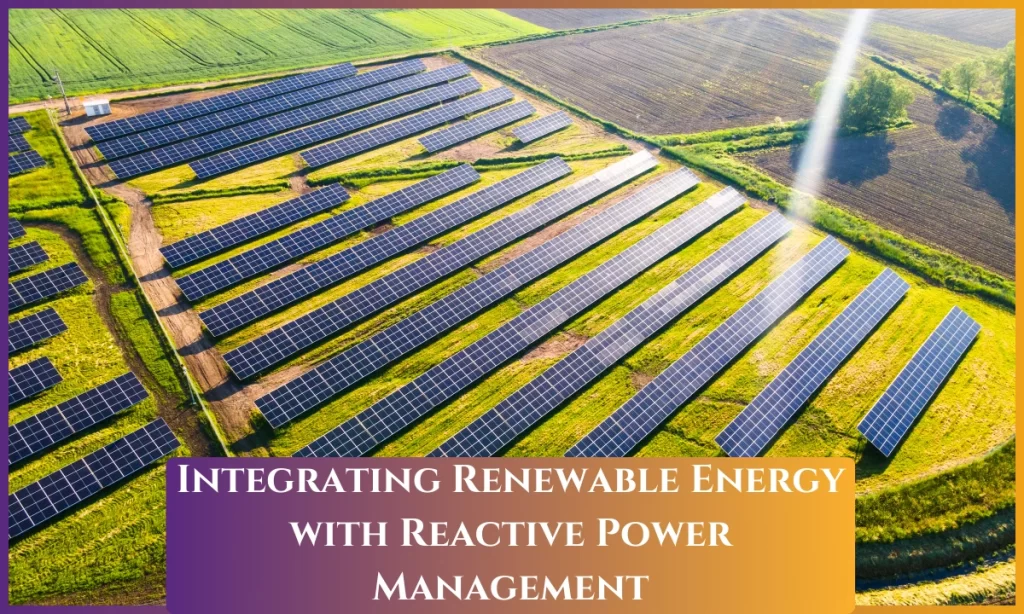
The world is rapidly transitioning to renewable energy, which is the cornerstone of sustainable development. Solar panels, wind turbines, and other renewable energy sources are used around the world to fight climate change and reduce our dependence on fossil fuels.
Meanwhile, renewable energy sources bring many environmental and economic benefits. However, integration into traditional energy systems poses significant challenges.
Among these things, maintaining grid stability is a key issue. Reactive energy management plays an important role.
Innovative solutions are essential to maintaining a stable and efficient electric grid. This blog explores the challenges of integrating renewable energy with reactive energy management. And discuss strategies and technologies to address these issues.
Understanding Reactive Power Management
Reactive power is one of the most critical components of any electrical system. It refers to the power required to maintain the voltage level needed to transfer active power. It refers to the energy used to perform tasks such as turning on a light bulb or running a machine.
In the original electrical system, Reactive power is managed by a synchronous generator.
Synchronous generators naturally provide both active and reactive energy. However, renewable energy systems, especially those using inverter technology.
It does not inherently provide reactive power. It makes maintaining voltage stability in grids with high renewable energy penetration a challenge. Without proper reactive power management, Voltage fluctuations can lead to instability. Decreased efficiency and even grid failures
The transition to renewable energy requires a modern approach to reactive energy management. Advanced inverter energy storage system and modernizing the grid. It plays a vital role in addressing these challenges.
Challenges of Integrating Renewable Energy with Reactive Power Management
Variability and disruption:
Renewable energy sources such as solar and wind are inherently variable. Solar panels produce energy only during daylight hours. Wind turbines depend on wind conditions. This variation affects the availability of active and reactive energy. It causes problems in maintaining voltage levels.
Limitations on the inverter:
Different from general generators, Inverter-based systems used in renewable energy do not naturally produce reactive power. Although advanced inverters can simulate reactive power production, the capabilities of inverters are often limited compared to synchronous generators.
Localized voltage instability:
Decentralized renewable systems produce electricity near the point of use. It can cause local voltage fluctuations. Stabilizing these fluctuations requires precise control of reactive power.
Network congestion:
Decentralized generation allows power to be distributed in two directions. It may cause the traditional grid system to become stuck. It complicates reactive power management.
These challenges highlight the importance of developing and implementing innovative policies that effectively integrate renewable energy with responsive energy management.
Solutions for Effective Integration
Addressing the challenge of integrating renewable energy with reactive energy management requires leveraging advanced technology and a strategic approach:
Smart Inverter and Advanced Technology
Smart inverters are critical in bridging the gap between renewable energy production and grid stability. Unlike traditional inverters, smart inverters can provide both active and reactive power. It increases the flexibility of the grid. They can dynamically adjust the output to maintain voltage stability even in fluctuating conditions.
Additionally, the integration of the Internet of Things (IoT) and artificial intelligence (AI) devices allows for real-time monitoring and optimization of electrical systems. The AI-powered solution can predict energy demand and adjust reactive power levels accordingly. Improve overall performance
Energy Storage System
Batteries and other energy storage systems (ESS) play an essential role in maintaining grid stability with high renewable energy penetration. ESS can store excess energy generated during peak production periods. And release energy when demand increases. Additionally, these systems can support reactive power by compensating for voltage fluctuations. To keep the network balanced and stable
Hybrid And Micromesh Solutions
Hybrid systems combine renewable energy with conventional electricity sources. It provides reserve energy as reactive energy during times of low renewable energy production.
Microgrids—local networks that can operate independently—are another effective solution. It allows for decentralized reactive power management. Reduce dependency on centralized systems and improve the local voltage stability.
Conclusion
Integrating renewable energy with reactive power management is a critical step toward building a sustainable and reliable power grid.
At Q Sine, we specialize in addressing power quality issues, including reactive power management and renewable energy integration. Our team leverages cutting-edge technologies to design tailored solutions that ensure grid stability and efficiency. Whether you’re managing a renewable energy system or seeking to modernize your grid infrastructure, Q Sine’s expertise can help you achieve your goals.
Partner with Q Sine today to optimize your energy systems and embrace a sustainable energy future. Contact us to learn more about our solutions and how we can support your transition to renewable energy.