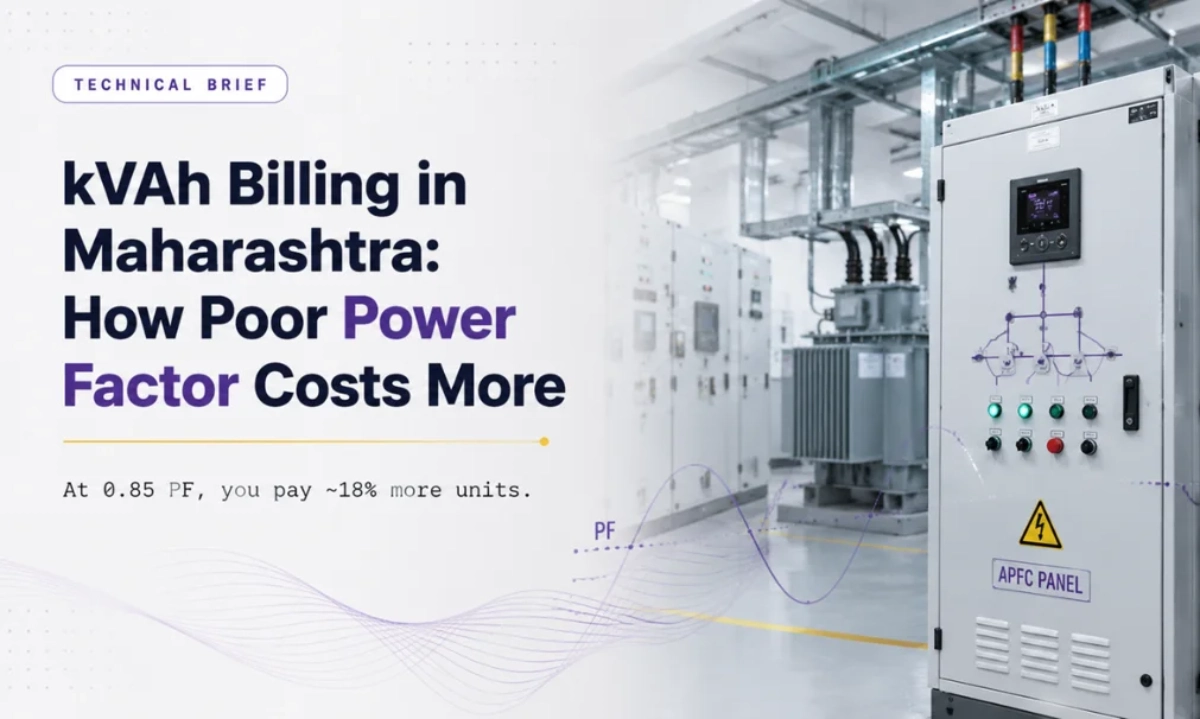

In the quest for energy efficiency and optimal power quality, industries face a critical choice Static Var Generators (SVGs) or traditional capacitor banks for power factor correction. While both technologies address reactive power management, their approaches, performance, and long-term value differ significantly.
Understanding the Basics
Traditional Capacitor Banks
Capacitors have been the go-to solution for power factor correction for decades. They work by storing and releasing reactive power (kVAR) to offset inductive loads from motors, transformers, and other industrial equipment. Capacitor banks are switched on or off in fixed steps based on predefined thresholds, which helps reduce penalties from utilities for poor power factor.
Static Var Generators (SVGs)
A modern alternative, SVGs use advanced power electronics like Insulated Gate Bipolar Transistors (IGBTs) and voltage-source inverters to dynamically inject or absorb reactive power. Unlike capacitors, SVGs adjust their output instantaneously to match real-time grid conditions, ensuring precise voltage stabilization and power factor optimization. More importantly it can handle both lagging as well leading power Factor.
Key Differences Between SVGs and Capacitors
Speed and Precision
- Capacitors: Operate in fixed steps with a response time of seconds to minutes. This lag can lead to over- or under-correction, especially in environments with rapidly fluctuating loads (e.g., manufacturing plants).
- SVGs: React within milliseconds to load changes, delivering continuous, granular reactive power adjustments. This eliminates the risk of overvoltage or resonance issues common with capacitors.
Harmonic Mitigation
- Capacitors: Susceptible to harmonic resonance, which can amplify existing grid harmonics and damage equipment. Additional filters are often required, increasing costs.
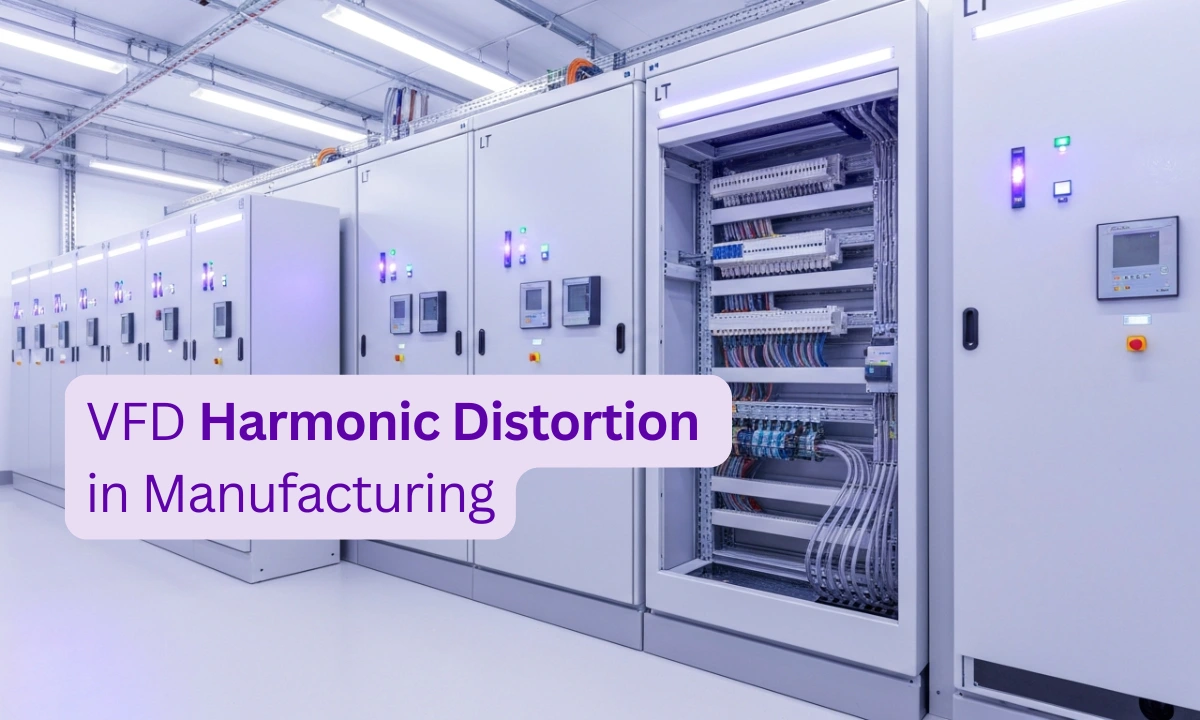
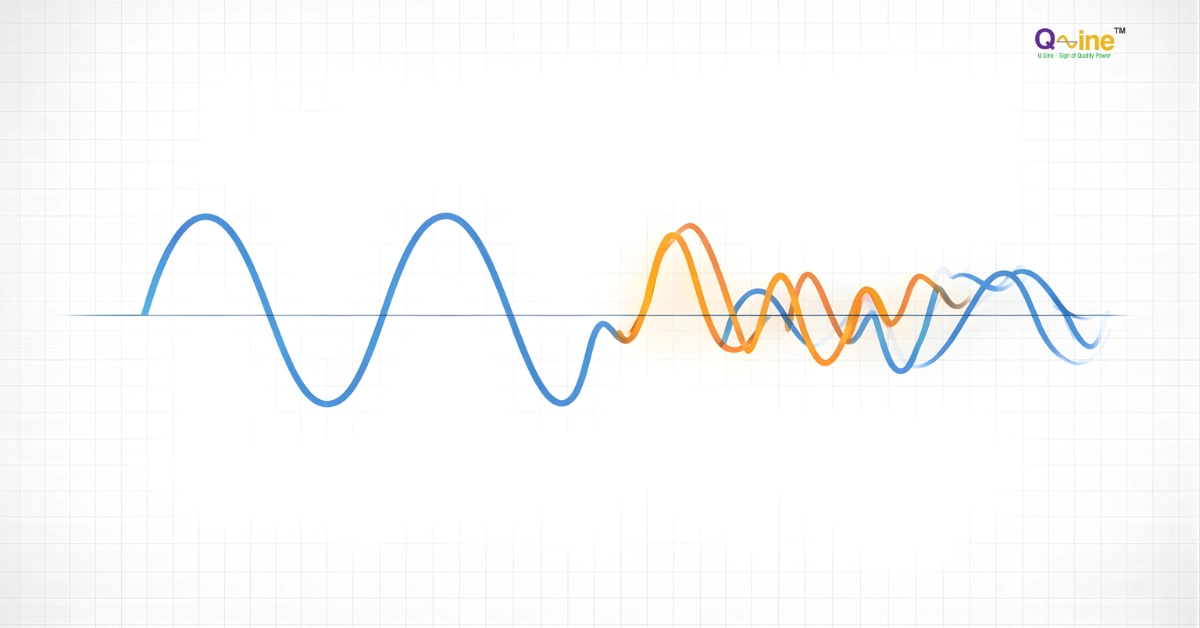
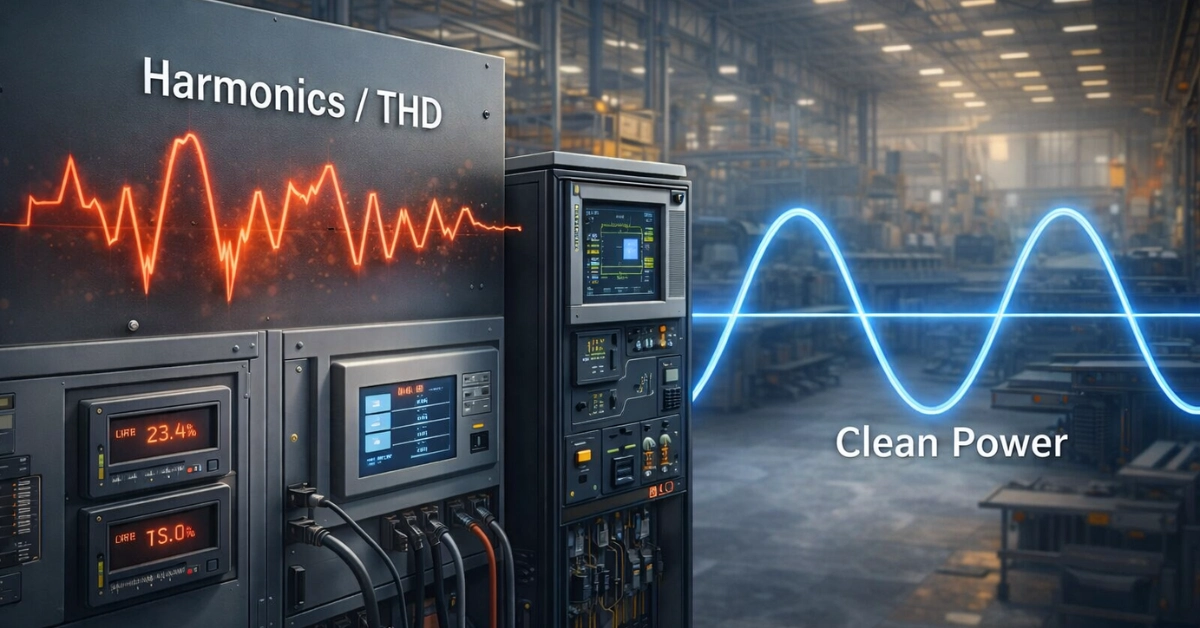
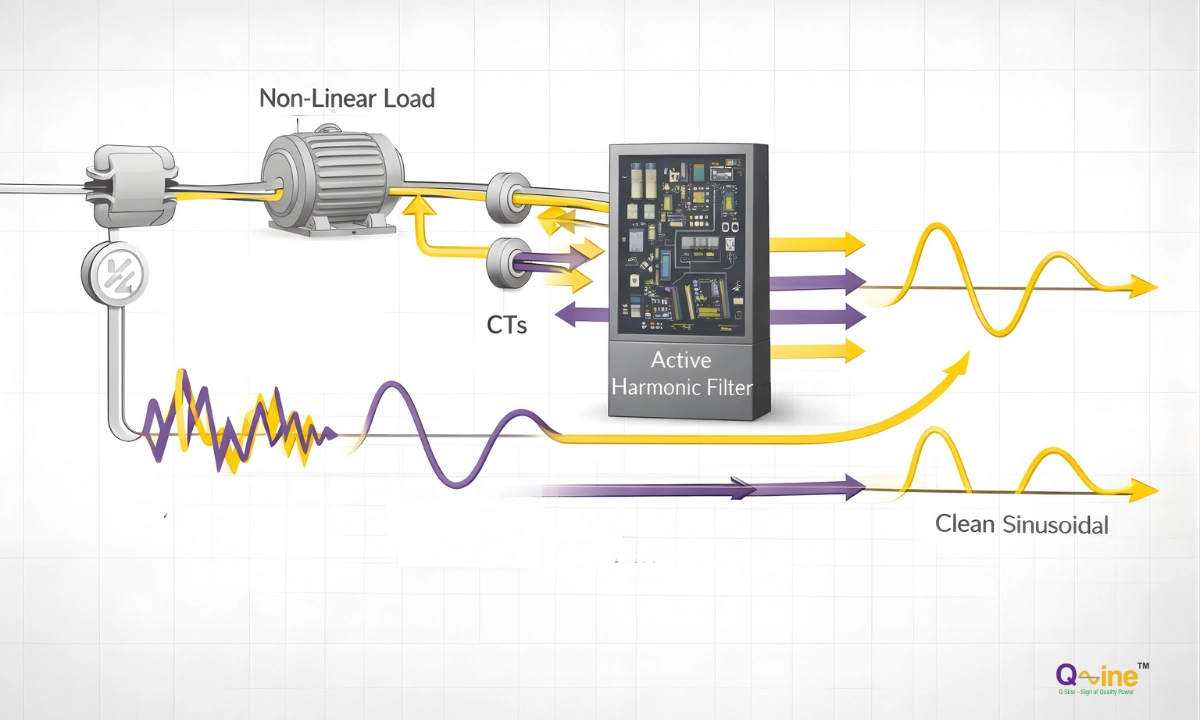
- SVGs: Advance SVG actively suppress harmonics (up to the 50th order) by injecting counteracting currents. This improves power quality without external filters.
Voltage Stability
- Capacitors: Provide reactive power but cannot control voltage fluctuations. In weak grids, they may worsen voltage instability.
- SVGs: Stabilize grid voltage by dynamically adjusting reactive power flow, even in low-voltage scenarios. This makes them ideal for renewable-heavy grids with intermittent generation.
Lifespan and Maintenance
- Capacitors: Capacitors degrade over time (typically 3–7 years) due to heat and voltage stress. Regular maintenance is required to replace failed units. Its failure is not predictable.
- SVGs: Solid-state design with no moving parts ensures a lifespan of 10+ years. Minimal maintenance reduces operational downtime and costs.
Space and Scalability
- Capacitors: Bulky installations require significant floor space. Scaling requires adding entire capacitor banks. Fine tuning needs a greater number of capacitors steps.
- SVGs: Compact, modular units can be easily expanded to meet growing demand with minimum foot print.
Cost Considerations
- Capacitors: Lower upfront cost but higher lifetime expenses due to maintenance, replacements, and energy losses from poor correction with harmonics risk.
- SVGs: Higher initial investment but offer 20–30% greater energy savings, reduced downtime, and longer lifespan, delivering a faster ROI in high-demand environments.
Which Solution Fits Your Needs?
- Choose Capacitors If:
- Loads are stable (e.g., small commercial buildings).
- Budget constraints prioritize short-term savings.
- Harmonic levels are low, and voltage fluctuations are minimal.
- Choose SVGs If:
- Loads are dynamic (e.g., steel mills, automotive plants, welding loads).
- Voltage instability or harmonics are a concern.
- Long-term savings and sustainability are priorities.
The Future of Power Factor Correction
As industries transition to smarter grids and renewable energy integration, the limitations of capacitors, slow response, harmonic risks, and maintenance become more apparent. SVGs, with their agility and adaptability, are increasingly favored for mission-critical applications. For businesses seeking to future-proof their operations, SVGs represent a transformative step toward energy efficiency and grid resilience.
Q Sine Energy Solutions specializes in cutting-edge power quality technologies, including Static Var Generators, designed to optimize energy efficiency and reduce operational costs. Explore our SVG solutions
Continue Reading
Get free access to this article and stay updated with Q Sine's latest insights on power quality and energy solutions. No spam, ever.
You're in!
Unlocking the full article now…
Your details are safe. We never share or sell your data.