
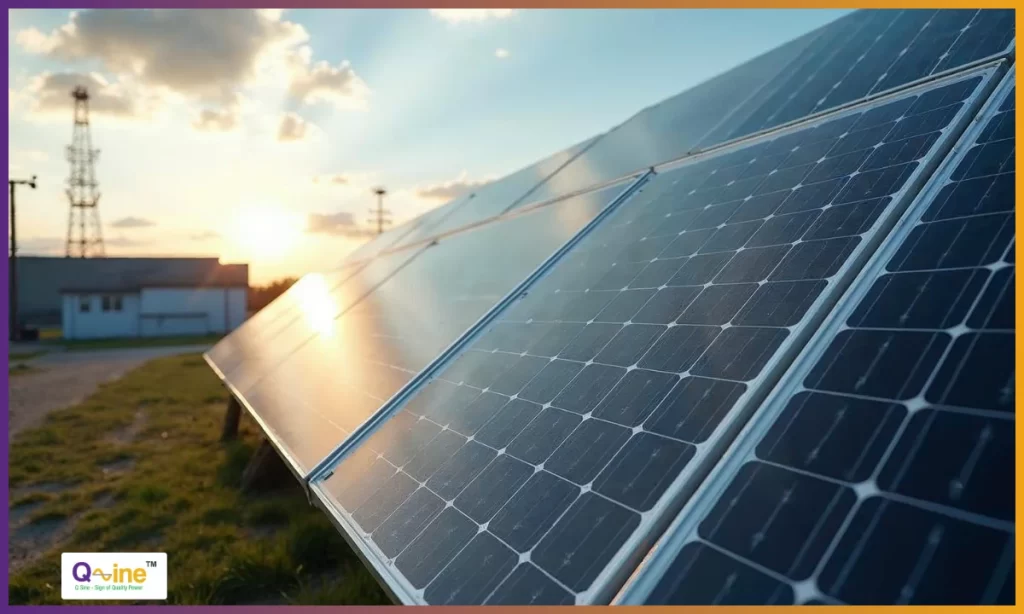
Solar panels generate electricity during the day, but their output is intermittent and dependent on weather conditions. BESS addresses this limitation by storing excess solar energy for use when generation is high and demand is low. This storage ensures a more consistent and reliable energy supply, making solar power a viable standalone option.
For businesses, this integration means operational continuity, protection against fluctuating energy prices, and progress towards sustainability goals. It’s a game-changer for commercial and industrial (C&I) sectors seeking to reduce costs and environmental impact.
Key Benefits of Solar and BESS Integration
Enhanced Energy Self-Consumption
Solar and BESS systems significantly increase the proportion of self-generated renewable energy used on-site. Excess solar power generated during the day is stored in batteries and used during periods of low generation, such as at night or on cloudy days. This reduces the need to purchase electricity from the grid, lowering utility bills and enhancing energy autonomy.
For example, a warehouse with a high daytime energy demand can store excess solar power and use it during evening operations. This load-shifting strategy optimizes energy usage patterns and aligns generation with consumption.
Increased Energy Resilience
The combination of solar and BESS provides crucial backup power capabilities. In the event of a grid outage, the system can operate in “island mode,” disconnecting from the grid and forming a microgrid to power essential loads using stored energy and available solar generation.
This resilience is vital for businesses that cannot afford power interruptions. A hospital, for instance, can maintain critical operations during outages, ensuring patient safety and continuity of care.
Financial Advantages
Solar and BESS systems offer significant financial benefits. By maximizing self-consumption of renewable energy, businesses reduce energy costs. Additionally, some systems allow participation in grid services or energy markets, generating revenue through energy arbitrage or demand response programs.
A case study in California demonstrated that adding a BESS to a PV system increased annual savings from €117,000 to €154,000. This financial advantage makes the investment in solar and BESS increasingly attractive.
Environmental Impact
Solar and BESS integration reduces reliance on fossil fuel-based grid electricity, lowering carbon footprints. By generating and storing clean energy, businesses and individuals contribute to environmental sustainability and the fight against climate change.
Applications Across Sectors
Commercial and Industrial (C&I) Sector
In the C&I sector, solar and BESS enhance operational efficiency and reliability. Businesses can generate their own clean energy, store excess production, and strategically deploy stored energy during peak demand periods to reduce costs.
For example, a manufacturing plant can use stored solar energy during high production periods, avoiding costly demand charges and ensuring continuous operations.
Agricultural Sector
Farms increasingly adopt solar and BESS for reliable energy. These systems power irrigation, climate control, and other critical operations, reducing operational costs and enhancing resilience against grid instability.
A hydroponic tomato farm in Spain deployed BESS for climate control, resulting in a 25% increase in crop yields and a 30% reduction in energy expenses.
Mining Sector
Mining operations benefit from solar and BESS solutions, which improve energy security and reduce costs. These systems provide a reliable power source in remote locations, reducing dependence on expensive diesel generators.
Gold Fields’ South Deep mine in South Africa integrated solar with BESS to enhance sustainability and meet Net Zero commitments.
Challenges and Considerations
Initial Investment Costs
The upfront costs of solar and BESS systems can be significant. However, various financing options, such as government subsidies, green loans, and OPEX models, help mitigate these costs and make the technology more accessible.
System Sizing and Maintenance
Proper system sizing and design are crucial for optimal performance. Regular maintenance ensures longevity and efficient operation. Neglecting maintenance can lead to reduced energy output and shorter equipment lifespan.
Regulatory Landscape
A supportive regulatory environment is essential for the adoption of solar and BESS. Clear policies, subsidies, and streamlined approval processes help overcome barriers and accelerate the integration of these technologies.
Conclusion
The integration of solar PV and BESS offers a pathway to energy independence, enabling businesses and individuals to generate, store, and manage their own clean electricity. With significant benefits like enhanced energy self-consumption, increased resilience, financial savings, and environmental impact, solar and BESS are transforming energy management across sectors. As technology advances and costs decline, these solutions become increasingly accessible, driving the transition towards a sustainable and independent energy future.